Environmental storytelling
Project 01
Project 02
Project 03
Project 04
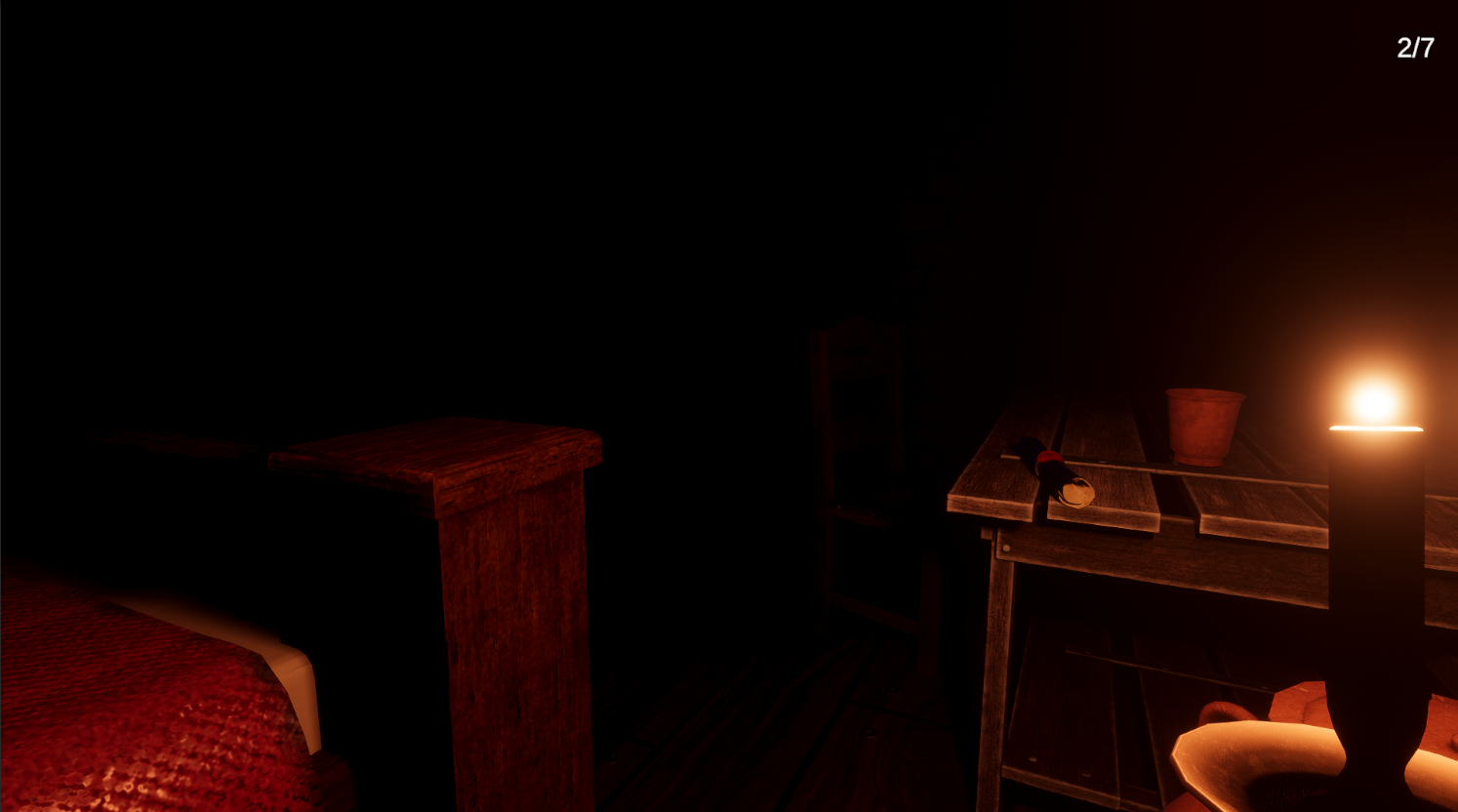
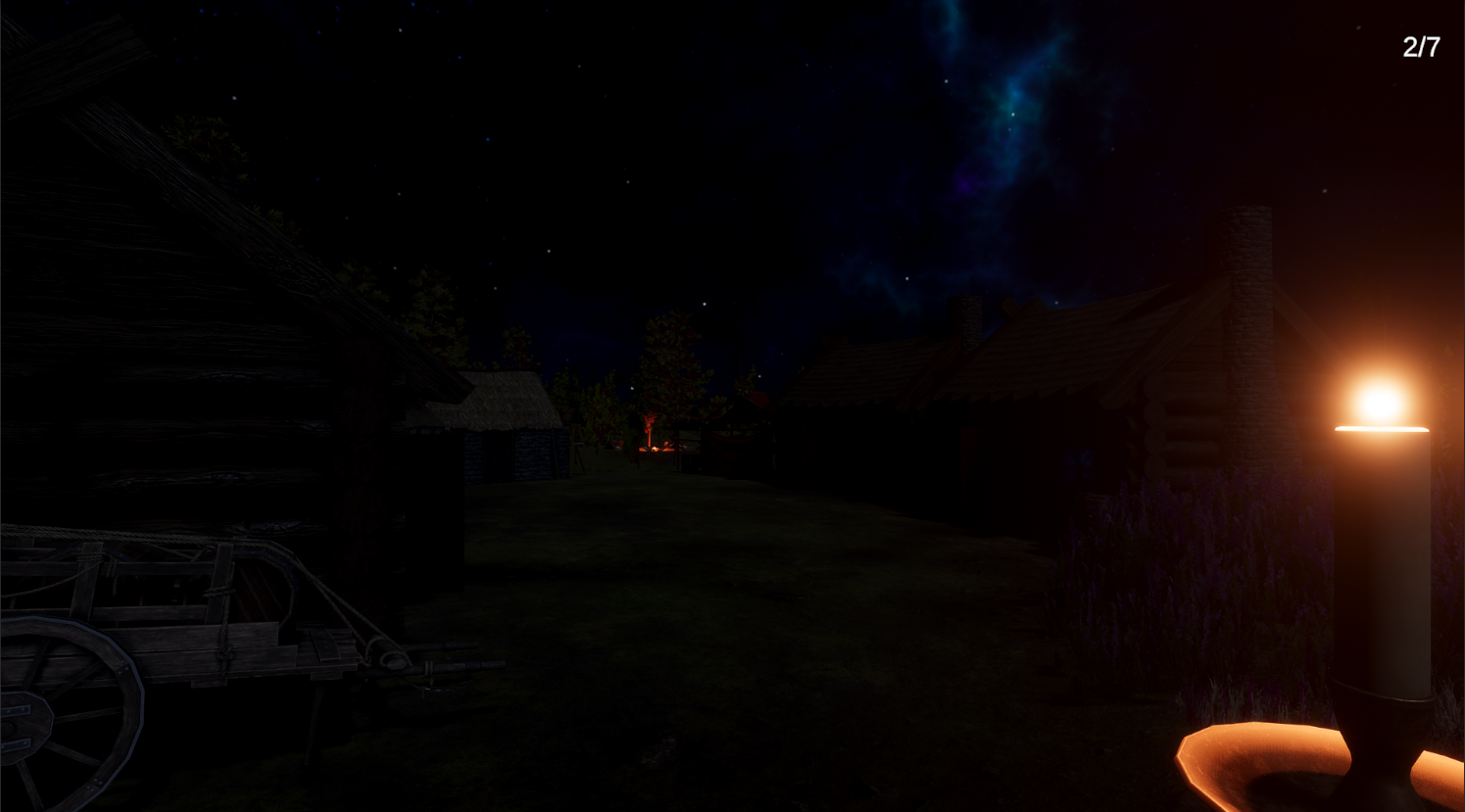
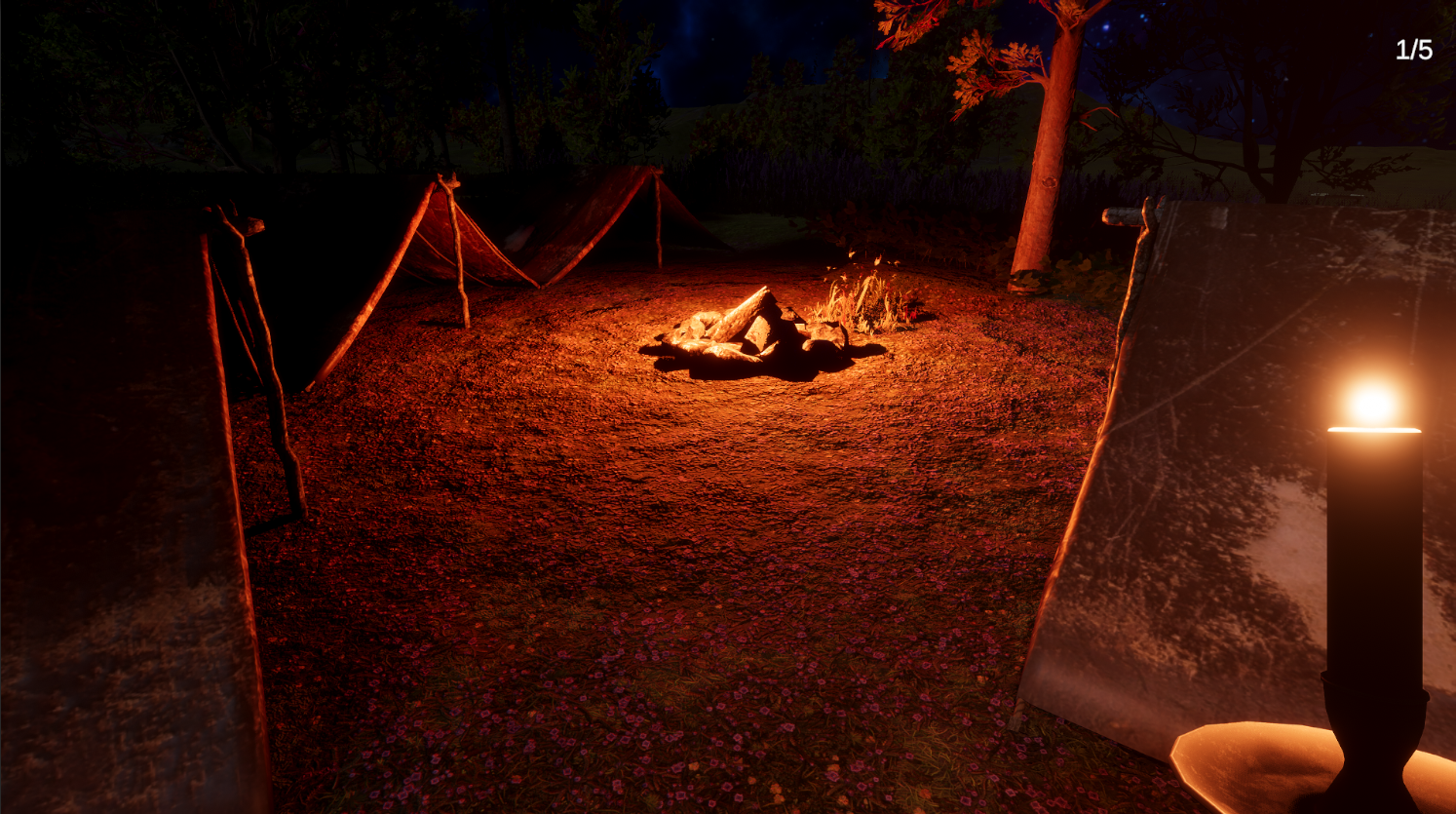
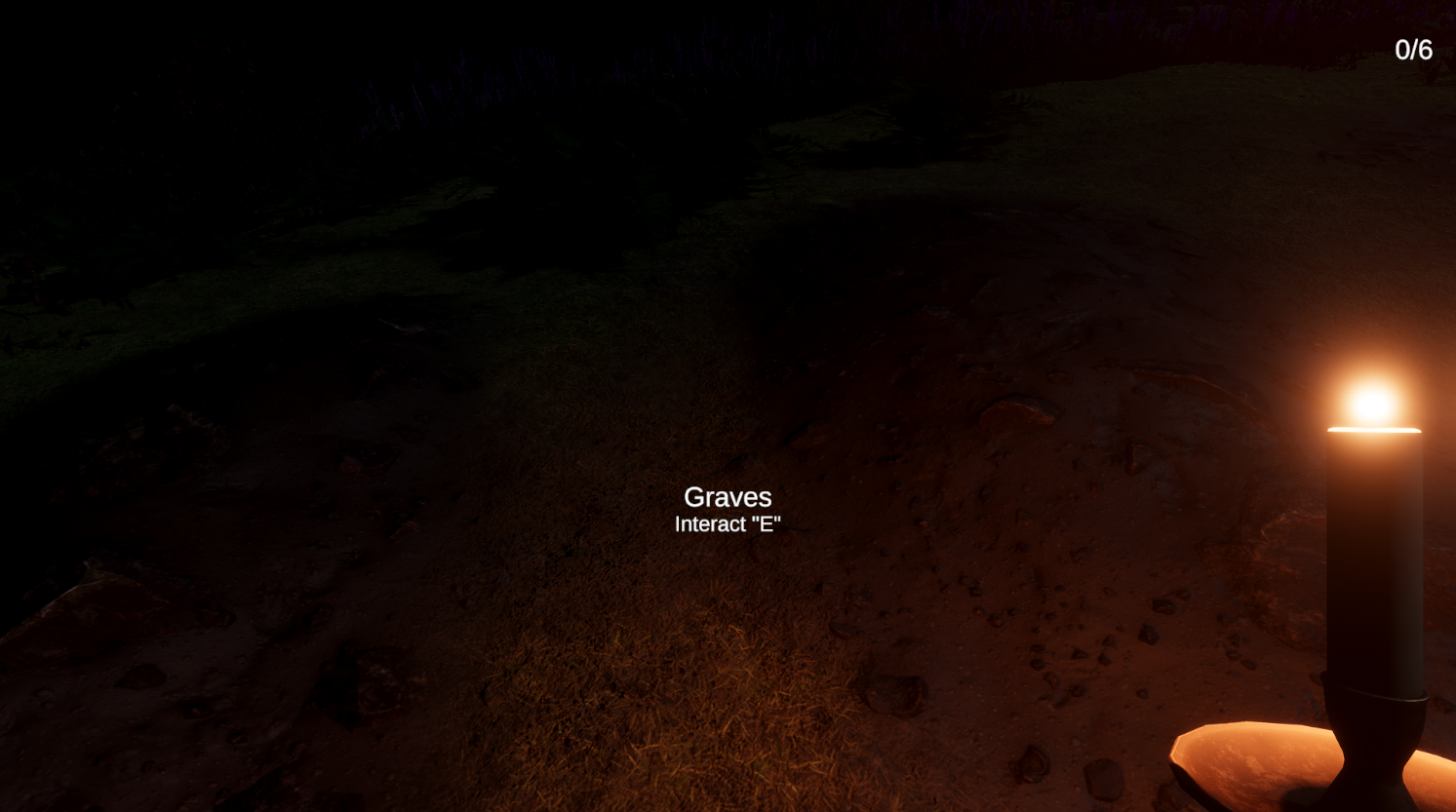
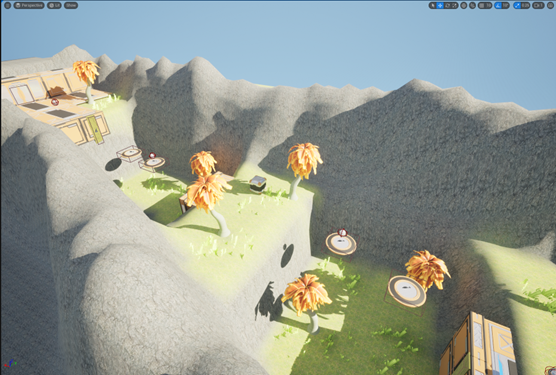
Games in editor screenshots.

As I was pursuing my goal of becoming a professional level designer, I decided to work on the other important part of this role, environmental storytelling. Previously, I’ve been developing my technical side as a professional, like learning Unreal Engine with C++ or improving my modelling skills while grasping the basics of architecture. So, now I want to improve my storytelling skills and learn about environmental storytelling by creating a short narrative-driven game with the story being told through the environment. In order to prepare myself for this project, I will use books, videos and case studies on this topic to build up a knowledge base.

I started my work by researching sources that could help me with my goal to deepen my knowledge on the topic. I selected three books that felt the most optimal for my case: Invisible Ink (Brian McDonald), Framed Ink (Marcos Mateu-Mestre), and Interactive Storytelling for Video Games (Josiah Lebowitz, Chris Klug). After that, I moved on to making the game. First, I developed the technical base of the game by creating all the necessary scripts for the functionality of all elements, like the UI, notes, and movement. Next, I formulated a story that I wanted to tell within the environment, and after this, I tailored the environment to the created story. World has two dedicated locations in which story takes place. First is a deserted village, and second is a forest camp. Player starts of in the village, where they can observe a place that was full of life a moment ago, but completly lifeless now with everything left behind. To guide the player to the camp, I used the contrasts of lights with a campfire shining bright in the dark night to catch the attention. Camp has traces of being in use, with weapons and loot laying aroung. Combining the information found across the locations people can make a conclusion of what happened here.

More of my projects.
Unreal Engine study

Project 01
Project 02
Project 03
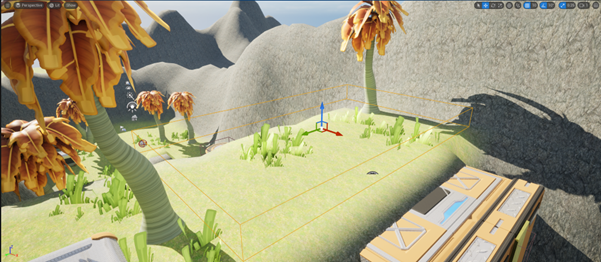
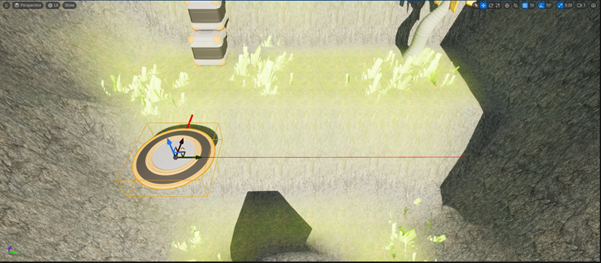
Games in editor screenshots.

Understanding that I needed to be acquainted with Unreal Engine was one of the first thoughts that came to my mind when I decided to dedicate my career to the game industry, as it is one of the most popular, if not the most popular, engines for game creation. Which means that proficiency with it is an obligation for success. My study process of Unreal Engine came in two phases, where in the first stage, I learnt the basics, tools, and visual scripting language of the engine, and in the second stage, where I focused fully on learning the application of C++, and connection with Blueprint for creating the most efficient code.

In the first phase, to learn about Unreal Engine basics, I set a goal of creating a simple 3D platformer game using the engine’s tools. I learnt how to use terrain tools, create game objects, create functionality using Blueprint scripts, apply animations, add interactive UI, and implement audio effects. Using that knowledge, I was able to create a simple prototype of a platformer game as a showcase of my work. But I was not satisfied with the resulting product so far, as it lacked some key functionalities that I wasn’t able to create using only visual scripting. That led me to the second phase, in which I dedicated my time to studying the implications of C++ for scripting in Unreal Engine and interaction with Blueprint Scripts to add the functionalities the game was missing. I started off by watching countless tutorials and analyzing them to build up an understanding of C++ scripting for Unreal Engine. After I felt I knew enough, I moved on to creating the mechanics and functionalities, such as complex animation logic, an inventory system, and editor scripts. With that done, my project obtained all the necessary features and was complete.

More of my projects.

Medieval prop models

Project 1
Project 2
Project 3
Project 4
Project 5
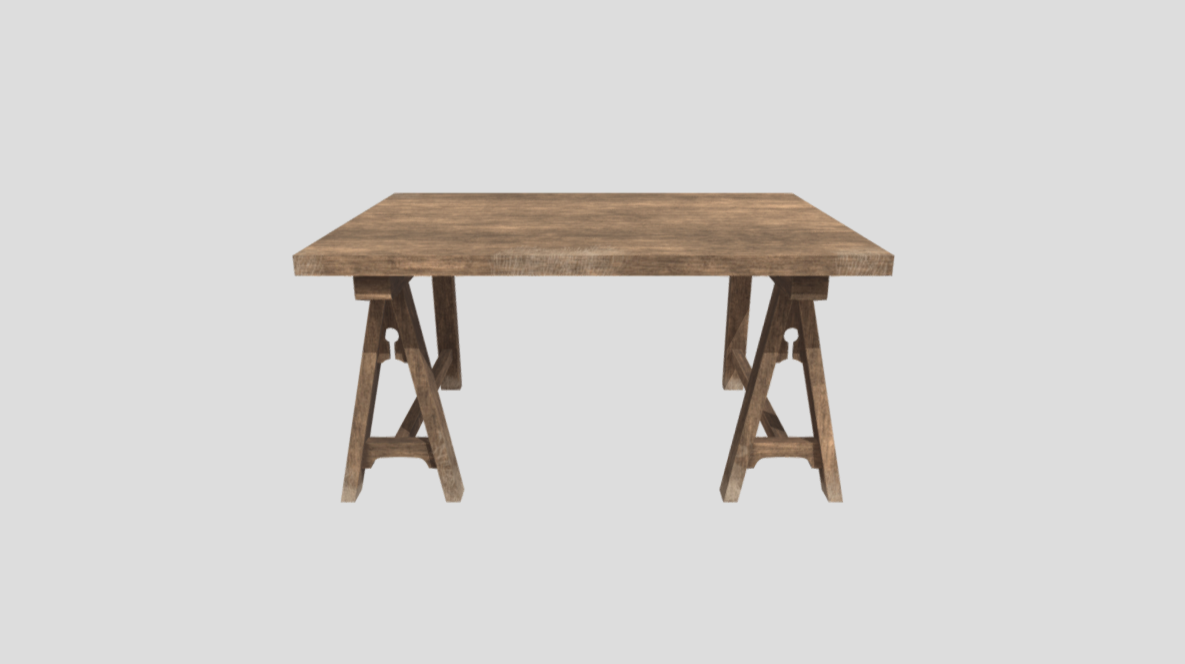
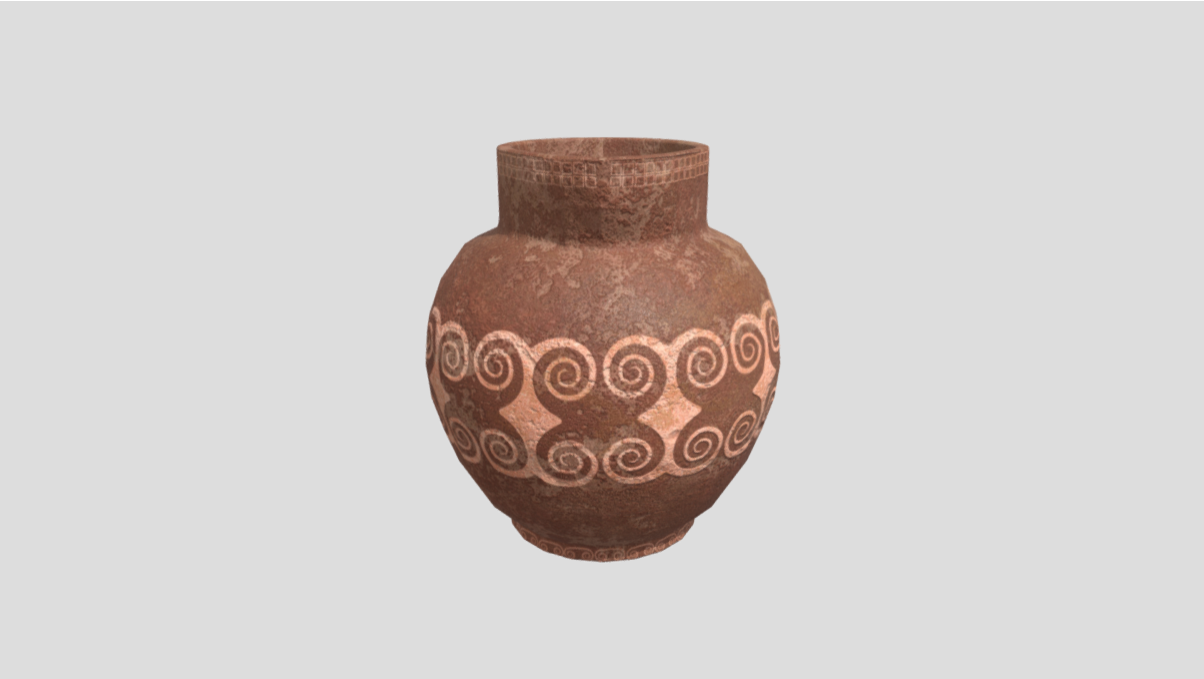
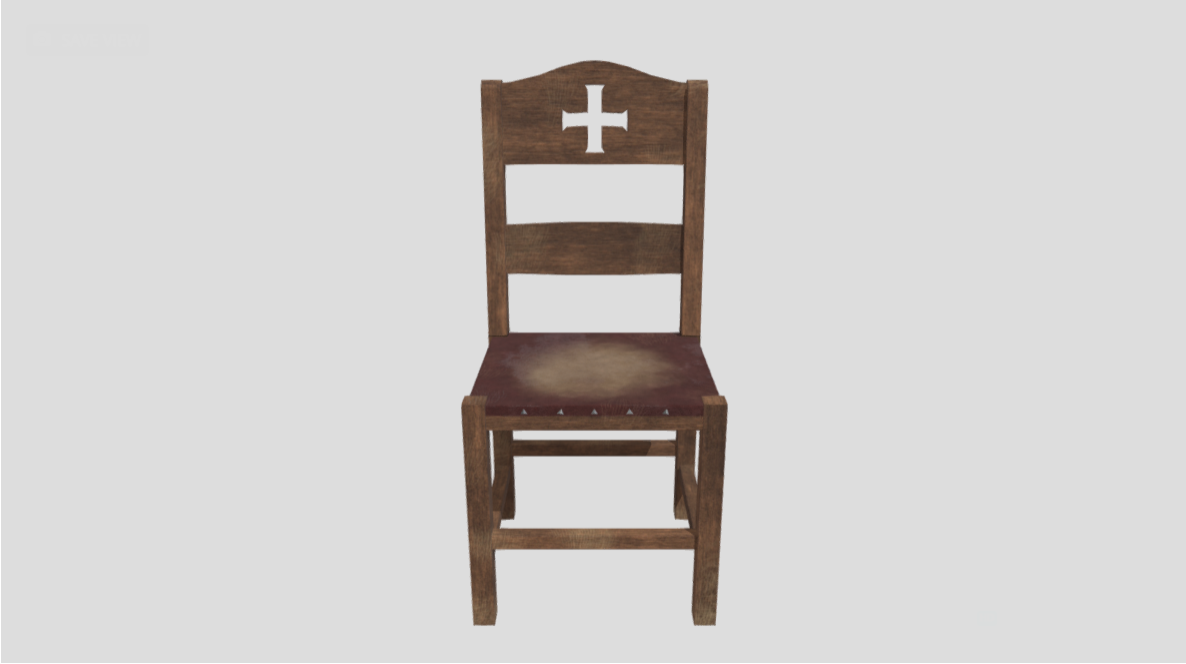
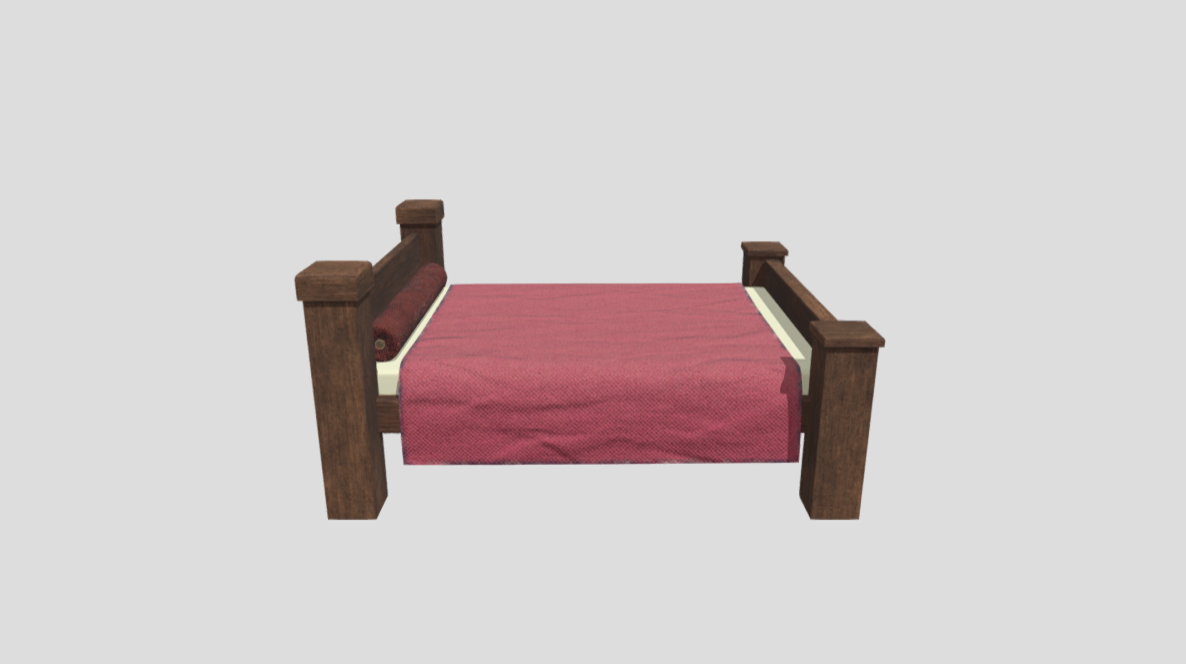
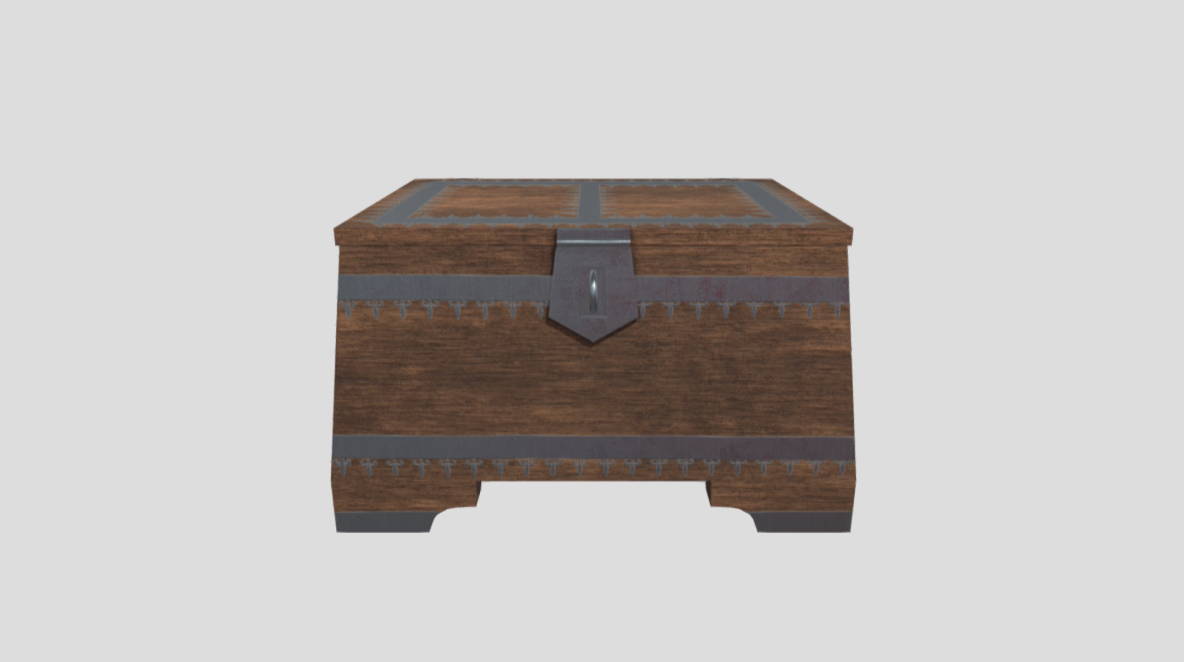
Final renders of some models.

In this portfolio item, I was working on improving my skills in 3D modeling and the creation of game-ready low polycount props. With this item, I also aimed to improve my understanding of the creation processes for 3D assets, thereby better communicating tasks, needs, and problems to artists for more efficient collaboration.

As a result, I created a set of medieval game-ready prop models with a polycount below 2k triangles. In total, this work took me about 40 hours, including the historical research, modeling, UV unfolding, and texturing. For this project, I used Maya as modeling and UV editing software, Substance Painter for texturing, and Sketchfab as a platform for demonstration of the final product.

Collection of the models.

Research of architecture using Art Deco style

model0
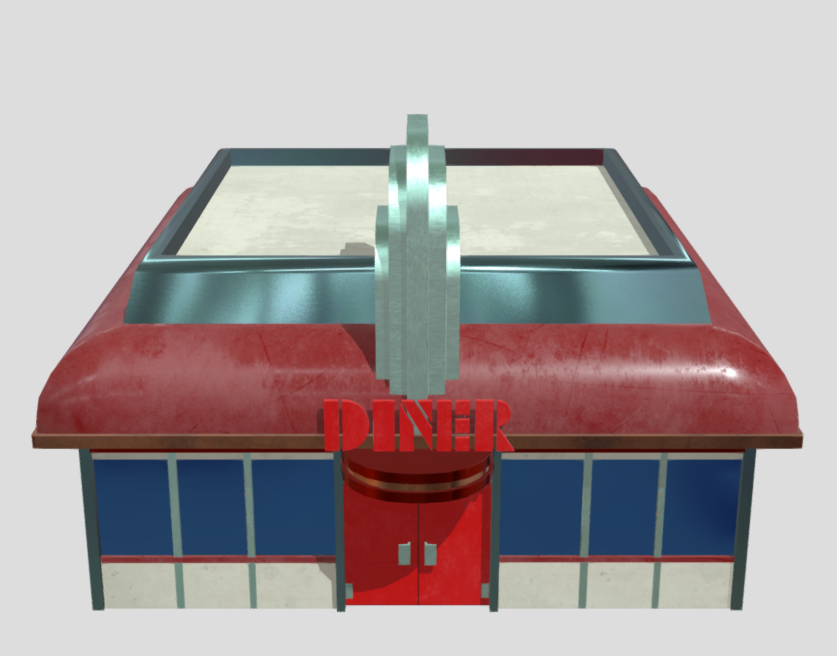
One of the models I created based of my research.

With this personal project, I aimed to broaden my understanding of game design by learning about architecture, which is a substantial part of level design in many games. During this work, I also deepened my research and modeling skills by working on the project’s items.

The first step in my work was the preliminary research. As the base, I used the book “Art Deco of the 20s and 30’s” by Bevis Hiller, with the addition of works by other scholars across the document for a coherent and comprehensive paper. In the paper, I go over the history of the design movement, its defining characteristics, and the examples of Art Deco in the game industry. As the second step, I went on to create 3D models based on my research to solidify the obtained knowledge in a tangible form.

Resulting models.

Personal research into Art Deco.